Proof
Sewn,not rendered.
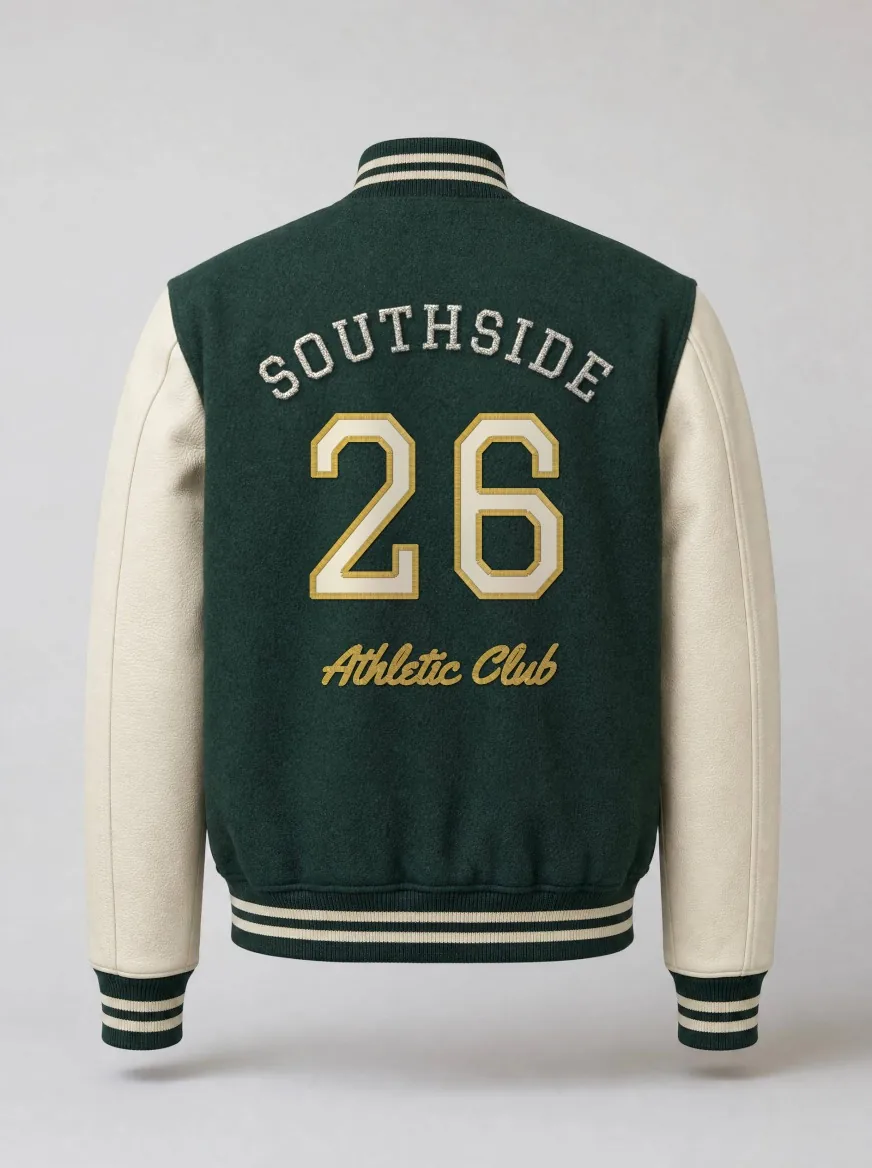
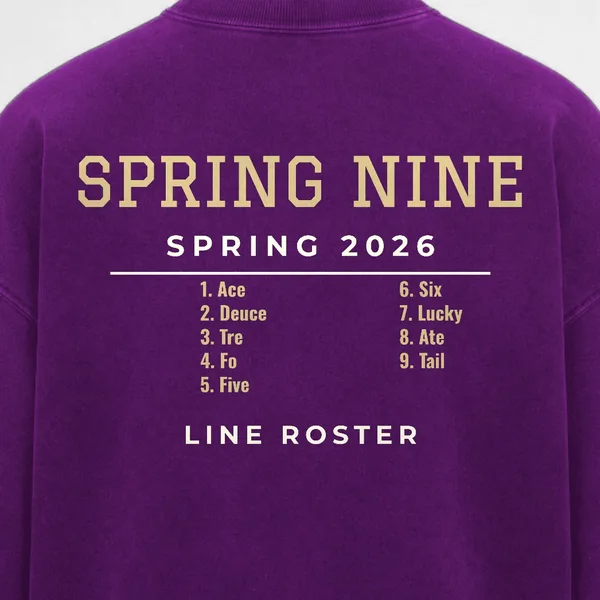
Every garment on this site is drawn from the files a shop would make it from. That is a promise about the files, not about the cloth. So each render gets a slot for a photo of the real one, sewn or printed at a partner shop, unretouched. The slots stay empty until it is true.
Render, then the real one
Numbers we can stand behind
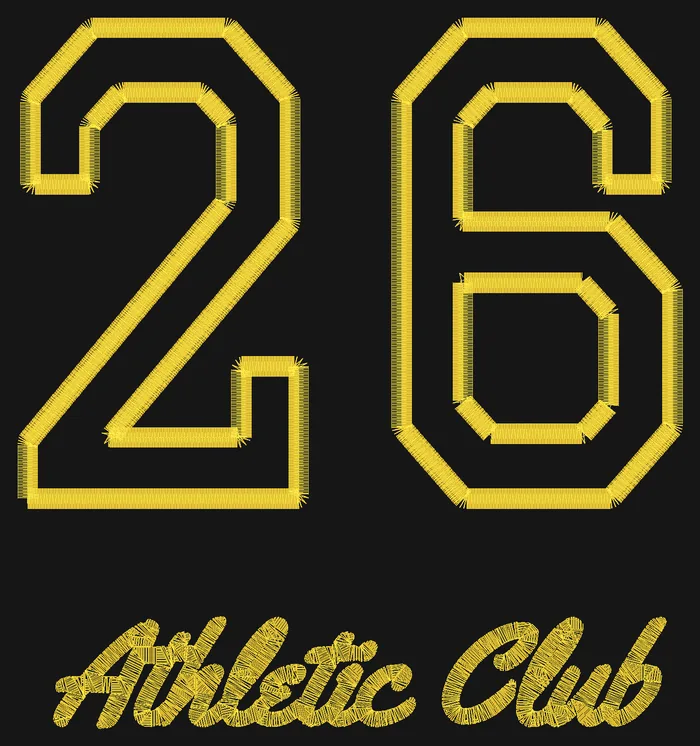
A one-piece line jacket on the partner shop's draft price sheet, once Imagineloom supplies the stitch files: $600 of per-piece digitizing goes away. 11 hoopings, about 73 minutes on one head.
Engine and draft price sheet. Prices still to confirm with the shop.Four store orders ganged on one roll: 18% less fabric than printing each alone.
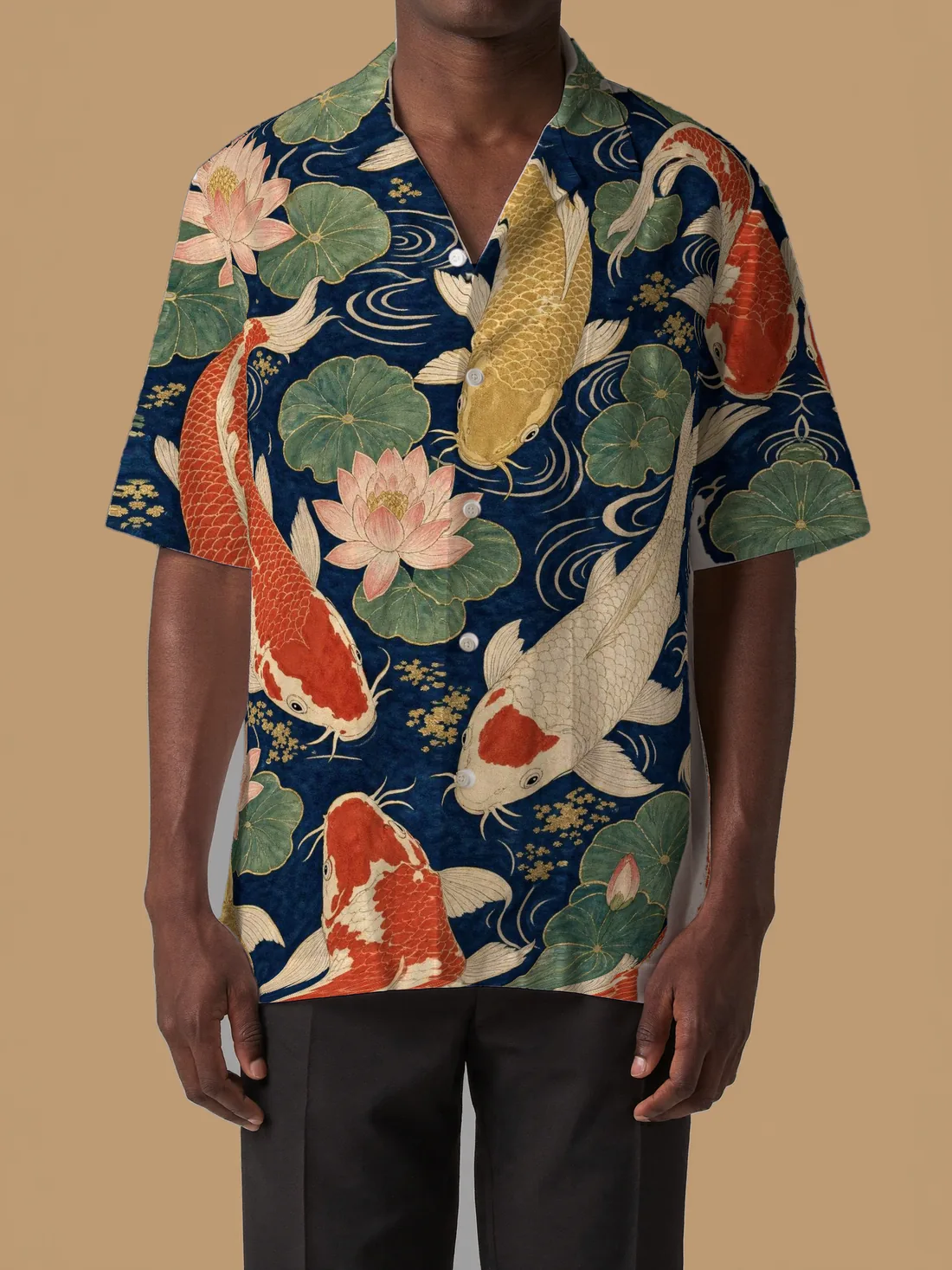
Engine, 30 of 30 checks. Not yet printed.Of the fabric on a 12-jersey roll goes into garments, prints matched at every seam in every size.
Engine, 74 of 74 checks. Not yet printed.Of the fabric goes into a single garment on average (61 to 80%). One brand discloses 87%. We publish the gap and are closing it.
Engine, 162 runs.Each number says where it comes from. None of them is a sewn result yet.
Calibrated to your machines
Thread pulls a column narrower than it was drawn, and every machine, fabric and backing pulls a little differently. Before a shop's first order, it sews one swatch:
- Sixteen satin bars, four widths at four pull settings.
- The letter E at 4, 5, 6 and 8 mm.
- Three fill squares at three row spacings.
- The shop measures the bars and marks what reads and what puckers. Imagineloom fits the pull, the smallest safe letter and the lightest fill that covers.
From then on every file for that machine and fabric uses the shop's own numbers. When the shop signs off the sewn swatch, the clean-sew guarantee starts: a file that doesn't sew clean is fixed free.
Nothing on this site has been sewn yet. The first calibration sew-outs are next, and the photos go up here as they happen.